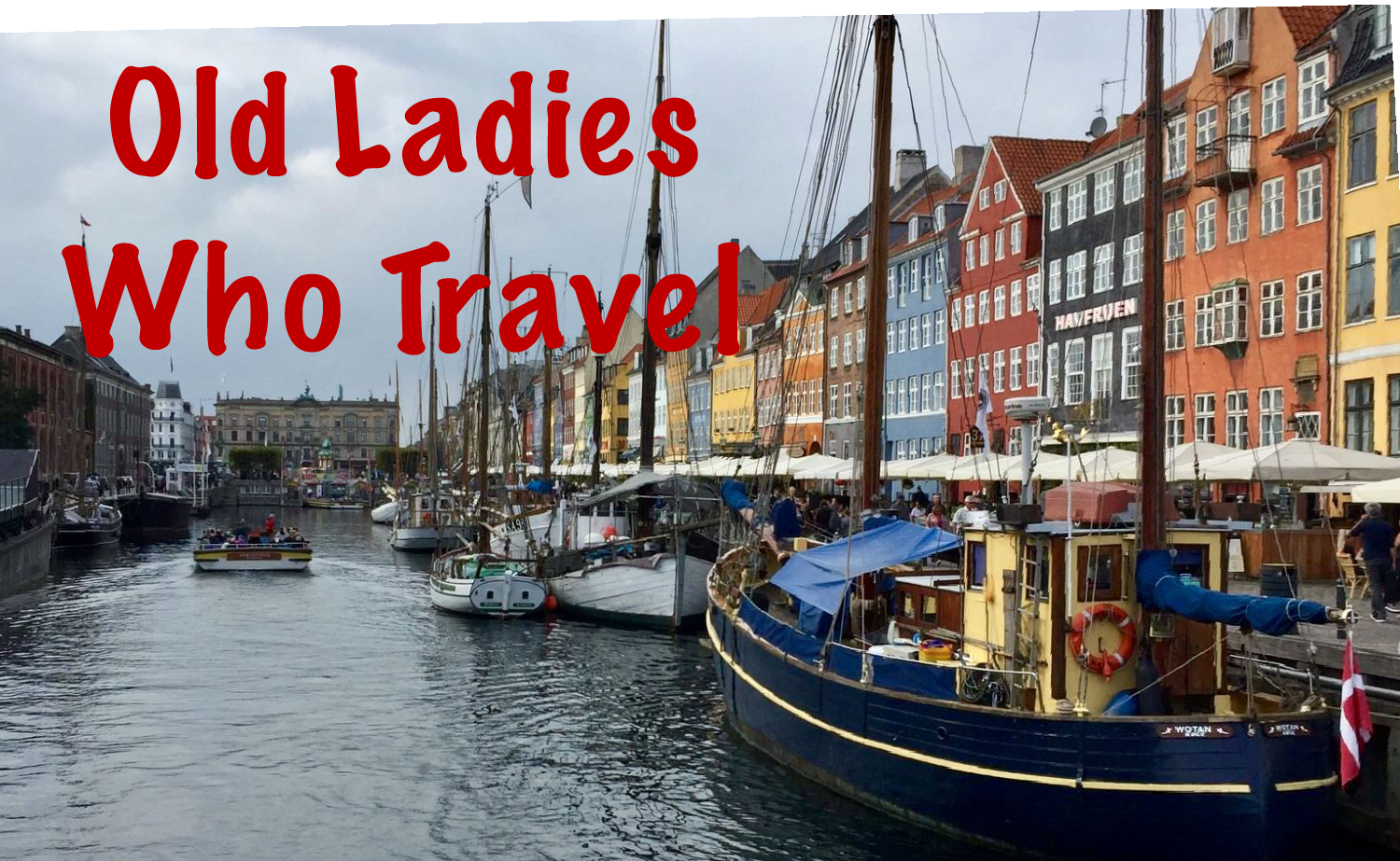
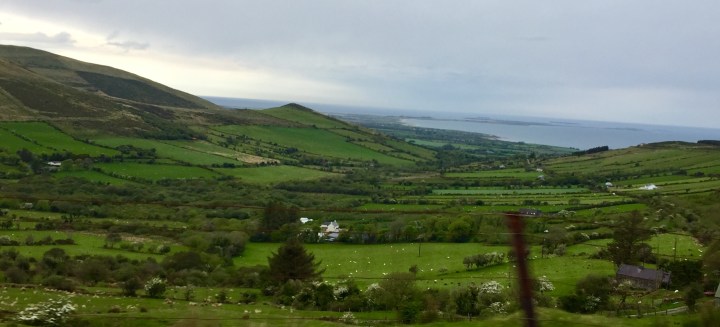
From our base in Dingle, we decided on a day trip to Ardfert, a small town just north of Tralee. It’s famous for its friary and cathedral ruins associated with Saint Brendan the Navigator. Our drive was almost exactly one hour. We chose the northern route, the Wild Atlantic Way, which has truly spectacular scenery. We scored a street parking spot outside the cathedral so we felt quite lucky.
A Little About Saint Brendan
Saint Brendan was born in 484 AD and he founded several monasteries including Clonfert in County Galway as well as these monastic cells at Ardfert. Building in Ardfert was begun in the 6th century and a charming legend about Saint Brendan has him initially attempting to build his church on the remains of a fairy mound. As he began measuring, a black crow flew down picked up his measuring strings and carried them to another hilltop, the current location of the cathedral. Ardfert actually translates from the Irish as “The Hill of the Miracles”.
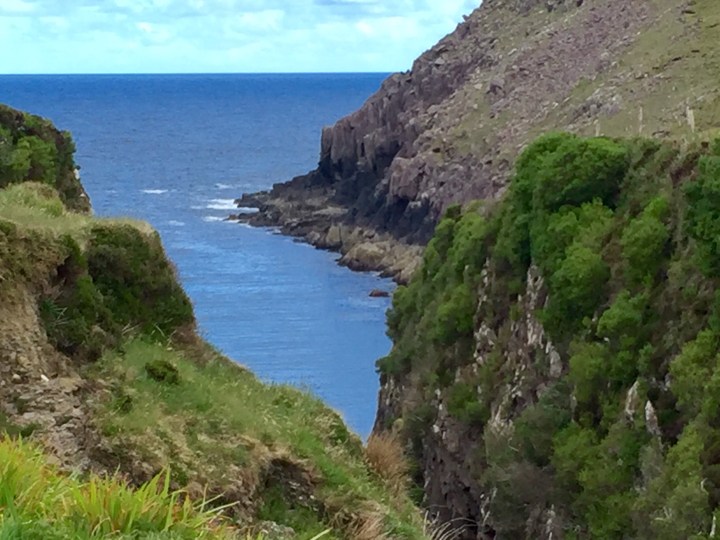
He also built monastic cells at Shanakee at the foot of Mount Brandon and it is from here that legend has it he set off on a famous seven-year voyage that was written about in The Voyage of St Brendan the Navigator. It is believed that he made his way across the Atlantic in a closed sailing currach to what is now Newfoundland, Canada. His voyage has been retraced successfully by Tim Severin in the fascinating Brendan Voyage. Also see our blog Three Old Ladies and a Husband…A Short Day Trip Around Dingle.
The Cathedral
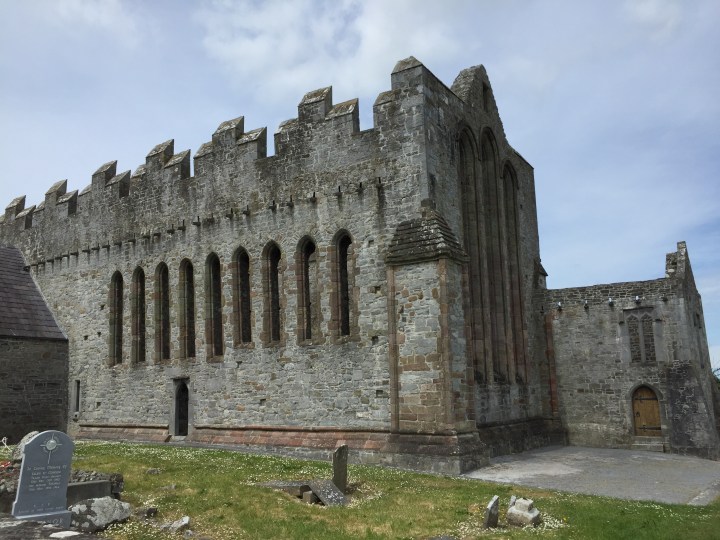
The building today is made up of a medieval Romanesque cathedral with triple windows in the gothic style 13th century east wall. It contains pieces of an earlier 11th century church, and also later additions such as the battlements from the 15th century. The church is built of red and gray stone and if you look carefully much earlier blocks can be seen among the repairs and newer construction.

Tip: we paid the small Seniors entrance fee but I think others just walked into the grounds via the graveyard gates and had their walk around. What they would have missed was the guide introducing the site and giving a history of its buildings and the rather nice museum display in the visitor’ s centre.
The transept of the church has been renovated as the visitor’s center and contains a number of stone pieces, and pre-christian grave slabs and effigies that have been moved here from the rest of the church. It was here we paid a modest entry fee and had a short and informative introduction from a knowledgeable guide.
There is a row of nine lancet windows (tall, thin windows headed with arches, like lances) on the south wall. This gothic style of window was introducted by the Cicsterians in the 11th century. In some places, the church looks like was made of two different churches all mixed together.
There are two other small churches on the site. Temple na Hoe is a late 12th century Romanesque church predating the cathedral. It contains a surviving beautifully carved window on its south wall.
Temple na Griffin is a plain 15th century church which may have been built at the time the battlements were added to the main cathedral building. It may have served as a daily church with the cathedral reserved for special occasions and religious feasts.
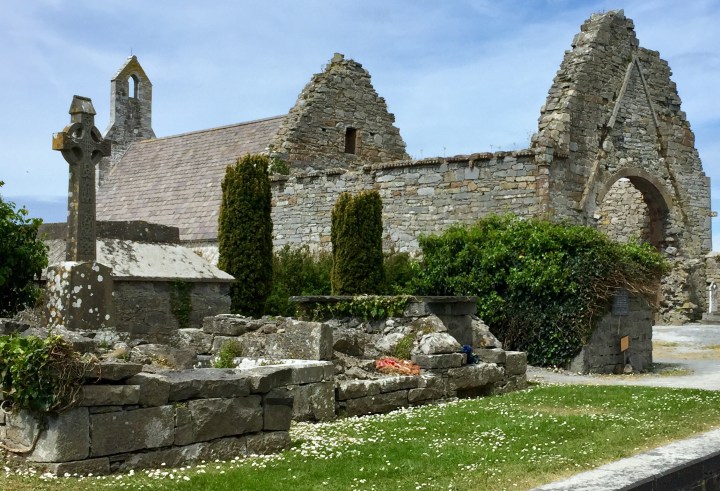
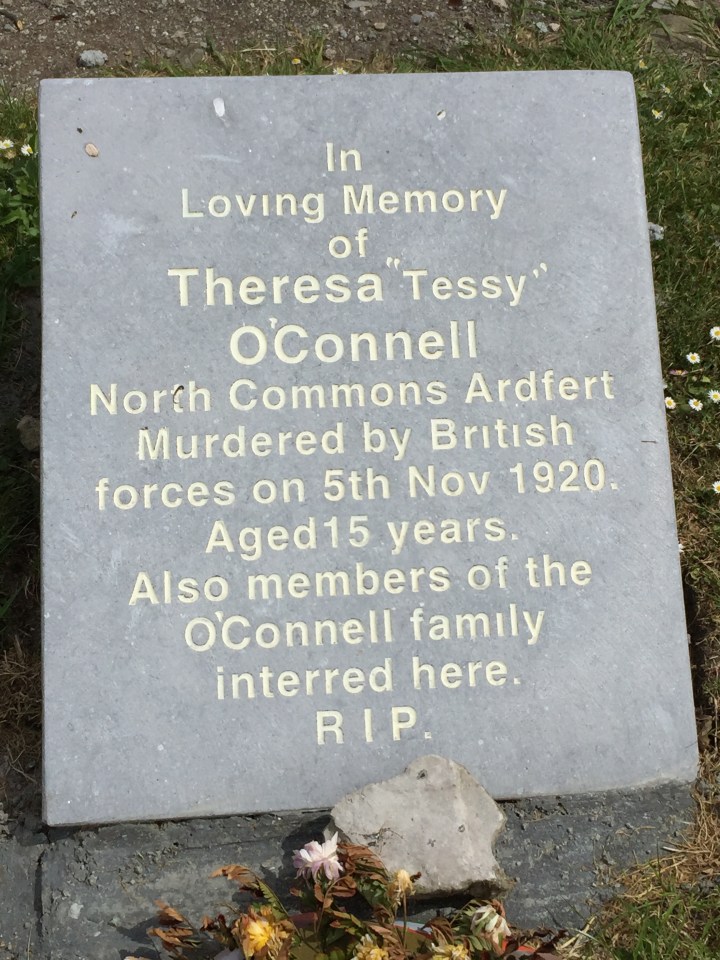
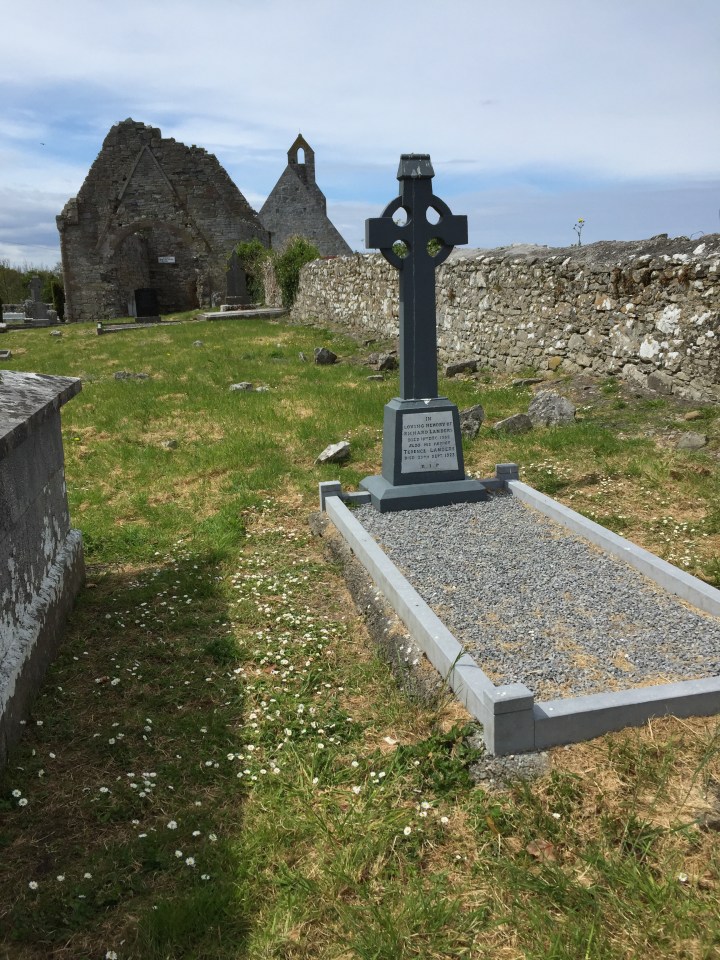
Tip: Ensure you have a walk around the graves. There is a very interesting mix of old and recent burials.
The Franciscan Friary
We hopped back into our car and drove the very short distance to the friary. The car park is well marked and the walking path provided us with views of backyards, a stallion grazing in his field and a bunch of school kids hurling. The friary sits off by itself, surrounded by farm fields. The only living things there when we arrived were the jackdaws and rooks who have made the friary there nesting site. Judging by the racket, they were not entirely pleased to see us, but their presence added to the atmosphere.
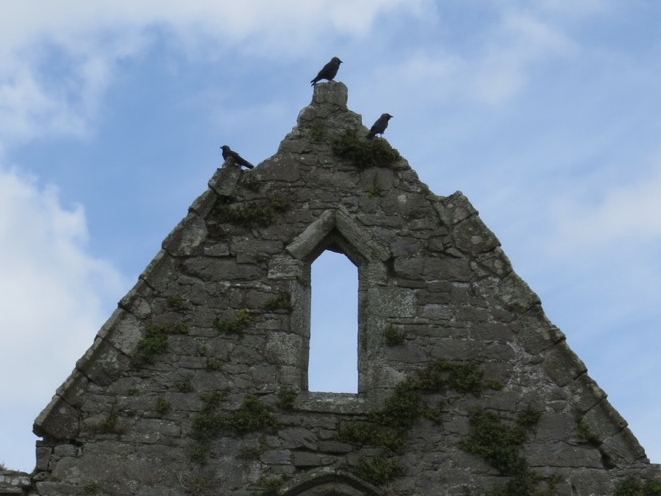
This Franciscan Friary was founded by Thomas FitzMaurice, Anglo-Norman Lord of Kerry, in 1253.
The ruins have a long nave and chancel structure, with a five-light east window and a row of nine lancet windows in the south wall resembling the Ardfert Cathedral which probably served as a model. Below the nine south windows there are 5 niche tombs added in the later centuries. The oldest surviving part of the friary is the chancel which dates from the 13th century. The arcades that divide the nave from the south aisle were built in the 14th century. In the 15th century the south transept, the west tower and the cloister with all the east and north buildings around it were added.
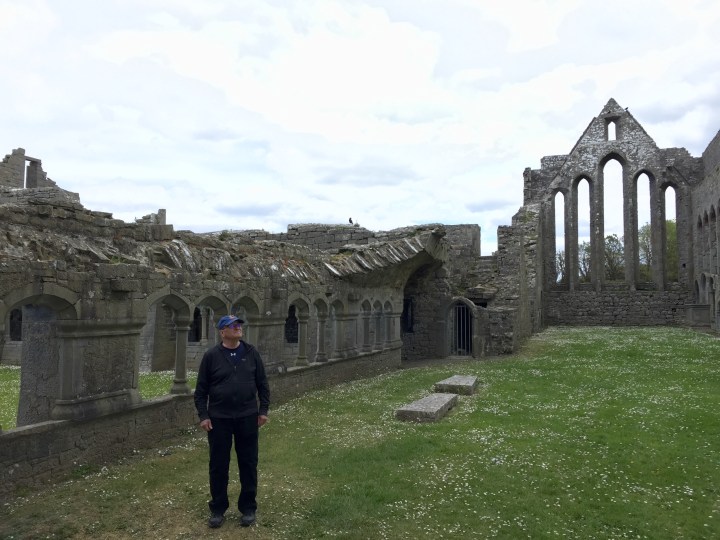
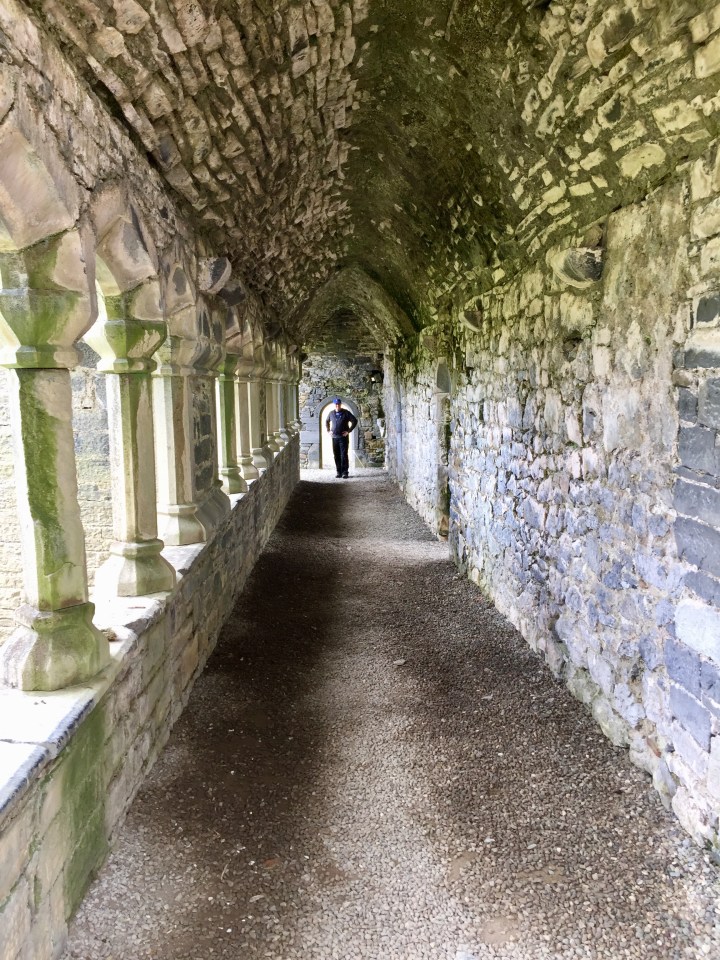
The five-storey west tower was built for dwelling purposes. In the 16th century it was used as a barrack accomodation for the soldiers. On the west wall of the residential building attached to the tower there’s a nice carving of an angel.
Our Lunch…Kate Browne’s Bar and Restaurant.
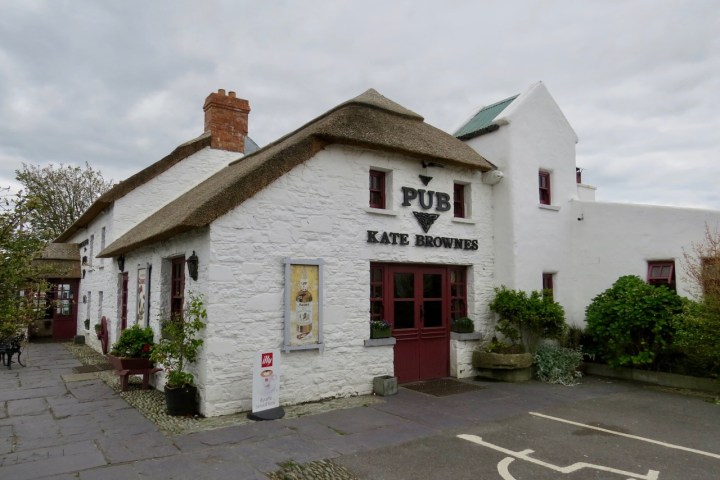
Our tour guide at the cathedral recommended Kate Browne’s as a place she eats so we took that as an endorsement so off we went.
A little higher end than our usual pub lunch, but the food and service were excellent and of course there was that wonderful Irish beer!
We would recommend their roast beef and cranberry sauce on fresh wholegrain roll with whipped horseradish dipping sauce and their fish and chips served on garlic mushy peas. As Canadians we were not familiar with the ever present mushy peas. Let’s face it, the name alone is enough to put one off, but these were really yummy.


 Old Ladies Who Travel